 Henry Turner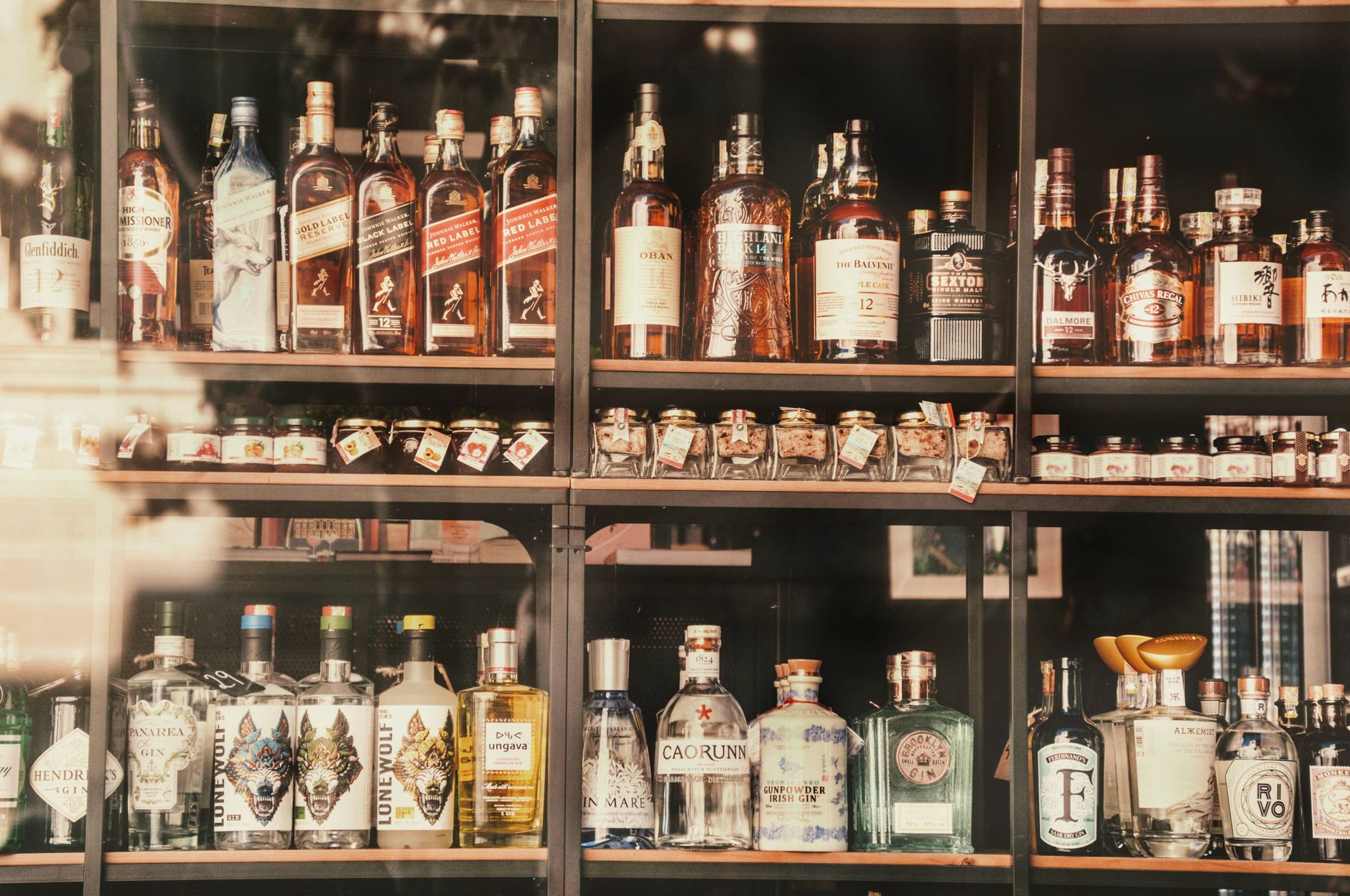
Bengal liquor ban has been enforced on Maha Ashtami, significantly affecting Durga Puja celebrations. This decision marks the end of the Mamata-era carnival.
Overview of the Bengal liquor ban
The recent decision by the West Bengal government to impose a liquor ban during Durga Puja celebrations has sparked widespread debate and controversy. This Bengal liquor ban comes at a time when the festival is a significant cultural and social event for millions across the state.
Authorities have stated that the ban aims to maintain decorum and ensure the safety of attendees during the auspicious occasion. However, many locals and festival-goers view this move as a detrimental blow to the spirit of Durga Puja, which traditionally includes celebratory gatherings and communal festivities.
Critics argue that the prohibition will adversely affect local businesses, particularly those associated with the hospitality and tourism sectors. They believe that the ban will lead to a decline in foot traffic and revenue during one of the busiest times of the year.
Supporters of the ban, on the other hand, emphasize the need for a responsible approach to alcohol consumption during large public events. They claim that reducing alcohol-related incidents can help create a safer environment for families and children participating in the celebrations.
As the festival approaches, the implications of the Bengal liquor ban continue to be a hot topic of discussion among residents, with many hoping for a reconsideration of the policy to better balance tradition and safety.
Impact on Durga Puja festivities
The recent Bengal liquor ban has sparked significant concern among the residents of West Bengal as the Durga Puja festivities approach. Many believe that this decision will have a detrimental impact on the celebrations that are central to the culture and traditions of the region.
Durga Puja is a time of joy, unity, and festivity, drawing crowds from all walks of life. The ban on liquor, especially during Maha Ashtami, has raised eyebrows as it is traditionally a period marked by elaborate gatherings and social interactions. The absence of liquor may dampen the spirit of these celebrations, which often include communal feasting and merriment.
Some of the key impacts of the liquor ban on Durga Puja festivities include:
- Reduced Revenue: Local businesses that thrive during the festival may face financial losses due to decreased sales of alcoholic beverages.
- Altered Social Dynamics: For many, drinking is a part of the cultural experience, and its absence could lead to a less vibrant atmosphere.
- Increased Tensions: The enforcement of the ban might lead to confrontations between authorities and revelers who wish to celebrate in their own way.
As the community prepares for one of its biggest festivals, the ramifications of the Bengal liquor ban remain a hot topic of discussion, with many questioning its timing and necessity.
Public reaction to the ban
The recent decision to impose a liquor ban during the Durga Puja festivities has sparked significant public outcry across Bengal. Many residents feel that the Bengal liquor ban is an overreach that undermines cultural traditions associated with the festival.
Local shopkeepers and vendors expressed their frustration, stating that the ban will lead to substantial losses during one of the busiest times of the year. Rajesh Kumar, a shop owner in Kolkata, voiced his concerns: “This ban is not just a decision; it is a blow to our livelihood. Durga Puja is a time for celebration, and liquor sales are part of that tradition.”
In contrast, some community leaders have supported the ban, arguing that it promotes a safer environment during the festivities. Priya Banerjee, a local activist, remarked, “While we understand the tradition, we must prioritize safety and well-being during such large gatherings.”
Public sentiment, however, appears largely negative. A survey conducted among festival-goers revealed that over 70% of respondents believed the ban would dampen their festive spirit. Many have taken to social media to voice their displeasure, with hashtags like #SaveDurgaPuja trending across platforms.
As the clock ticks down to the celebrations, the debate surrounding the Bengal liquor ban continues to intensify, raising questions about its long-term implications on cultural practices.
Historical context of liquor policies in Bengal
The historical context of liquor policies in Bengal reveals a complex interplay between tradition, regulation, and public sentiment. Over the years, Bengal has witnessed various shifts in its approach to alcohol consumption, particularly during festive occasions. The Bengal liquor ban, implemented during significant events like Durga Puja, reflects a broader societal attempt to balance cultural practices with public health initiatives.
In the early 20th century, the temperance movement gained traction, leading to efforts to restrict alcohol availability. This culminated in various local laws aimed at regulating liquor sales. The British colonial administration also imposed strict regulations, which often reflected their own societal values rather than those of the local population. Post-Independence, the focus shifted towards more liberal policies but remained influenced by the cultural significance of festivals, especially Durga Puja.
Throughout the years, alcohol has played a dual role in these celebrations, acting as both a social lubricant and a point of contention. Many locals have embraced the custom of enjoying liquor during the festivities, while others argue for restraint, emphasizing the need for a family-friendly atmosphere. The recent Bengal liquor ban on Maha Ashtami has reignited debates about the appropriateness and timing of such regulations, questioning whether they truly reflect the spirit of the festivities or stifle long-standing traditions.
Government statements on the decision
The West Bengal government has defended its decision to impose a liquor ban during the Durga Puja festivities, emphasizing the need for maintaining cultural and religious sanctity. A spokesperson from the state administration stated, “Our priority is to ensure that the essence of Durga Puja is preserved, and we believe that a Bengal liquor ban during this time is essential for fostering a safe and respectful atmosphere.”
Officials highlighted that the move aims to prevent disruptions that may arise from excessive alcohol consumption during the celebrations, which draw millions of devotees and visitors. “Our goal is to create a family-friendly environment where people can enjoy the festivities without the negative influences of alcohol,” the spokesperson added.
Critics, however, have raised concerns about the timing and effectiveness of the ban. “This decision seems more political than practical,” remarked a local business owner. “Many rely on liquor sales during this peak season, and the ban could hurt small vendors who depend on this income.”
In response to such criticisms, government officials reiterated their commitment to public safety and community values, insisting that the Bengal liquor ban is in line with historical precedents set during significant cultural events. As the celebrations approach, the administration remains firm in its stance, signaling that the ban will be strictly enforced.
Comparisons with previous years’ celebrations
This year’s Durga Puja celebrations in Bengal are facing unprecedented challenges due to the recent liquor ban. Comparisons with previous years highlight the stark difference in the festive atmosphere. In past celebrations, the availability of liquor played a significant role in the festivities, encouraging gatherings and a sense of camaraderie among revelers.
During the last few years, the streets of Kolkata vibrated with music and laughter, as people enjoyed traditional drinks while participating in the celebrations. The aroma of local delicacies wafted through the air, often accompanied by cheerful toasts and shared moments. This year, however, the Bengal liquor ban has cast a shadow over that vibrant spirit.
- 2019: The city witnessed a surge in cultural events, with numerous pandals serving complimentary drinks, enhancing the festive mood.
- 2020: Adaptations due to the pandemic still allowed some social drinking, albeit in smaller groups.
- 2021: The celebrations returned to near-normal with significant crowds, and local breweries saw a boom in sales.
- 2022: A sense of unity and joy prevailed, fueled by the shared experience of enjoying drinks during the festivities.
In contrast, the current restrictions have left many feeling disheartened and nostalgic for the lively gatherings of years past. The festive spirit is undeniably dampened, and the community laments the loss of traditional celebrations.
Future implications for festivals
The recent Bengal liquor ban has raised concerns about its long-term implications for future festivals, particularly as the vibrant celebrations of Durga Puja face new restrictions. The decision has sparked debates among locals, with many fearing that such a ban could alter the very essence of community gatherings. For decades, Durga Puja has been synonymous with unity, joy, and shared experiences, often accompanied by the traditional consumption of liquor as part of the celebrations.
As festival-goers adapt to this new norm, the absence of liquor may lead to a shift in social dynamics. Some argue that the ban could result in diminished enthusiasm and participation, ultimately affecting the economic viability of local businesses that thrive during the festive season. Vendors and artisans who rely on the influx of visitors may experience a decline in sales, leading to a ripple effect throughout the community.
Moreover, the Bengal liquor ban raises questions about the future of other cultural events. If this policy remains in place, it could set a precedent for further restrictions during significant occasions, potentially leading to a more subdued atmosphere in what are traditionally lively celebrations. Festivals such as Holi and Poila Baisakh may also feel the impact, transforming the way people engage with their cultural heritage. Ultimately, the long-term effects of the Bengal liquor ban could reshape the festive landscape in ways not yet fully understood.
Community responses and adaptations
The Bengal liquor ban has sparked a range of responses from the community, particularly as it coincides with the vibrant Durga Puja celebrations. Many residents have expressed their discontent, viewing the ban as a significant hindrance to the traditional festivities.
Some community leaders have voiced their concerns, stating that the decision to impose a liquor ban during such an important cultural event is detrimental. One local resident noted, “Durga Puja is a time for joy and togetherness, and the ban takes away from that spirit.”
Conversely, a section of the community supports the ban, arguing that it promotes a more family-friendly atmosphere during the celebrations. One supporter remarked, “This is an opportunity to embrace the cultural essence of Durga Puja without the distractions that alcohol can bring.”
In light of the ban, several local businesses have begun adapting their offerings. Many pandals are now focusing on providing alternative beverages, such as traditional non-alcoholic drinks and mocktails, to cater to attendees. This shift underscores a broader effort to maintain the festive spirit while adhering to the new regulations.
As the community navigates this unexpected change, it remains to be seen how the Bengal liquor ban will ultimately shape future iterations of Durga Puja and the traditions surrounding it.
Photo by Danny Doneo on Pexels
References
You might also like
The Journey of Slots From Physical Reels to Interactive Gaming · How WINBOX Game Categories and Interface Features Support Easier Discovery · A Statistical Guide to Evaluating UEFA Football Betting Markets